
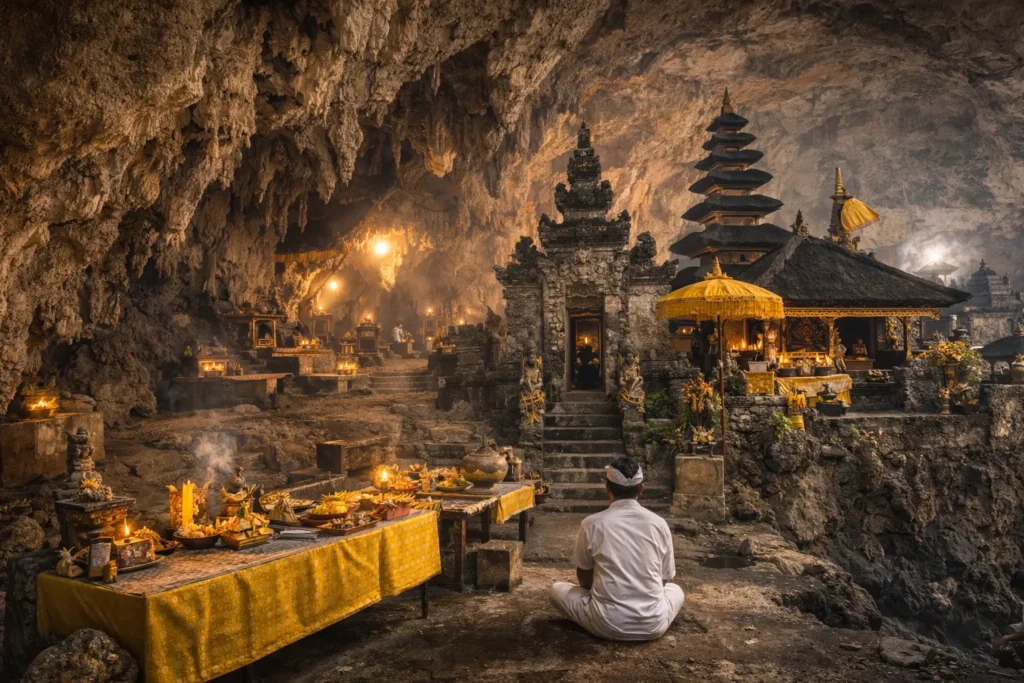
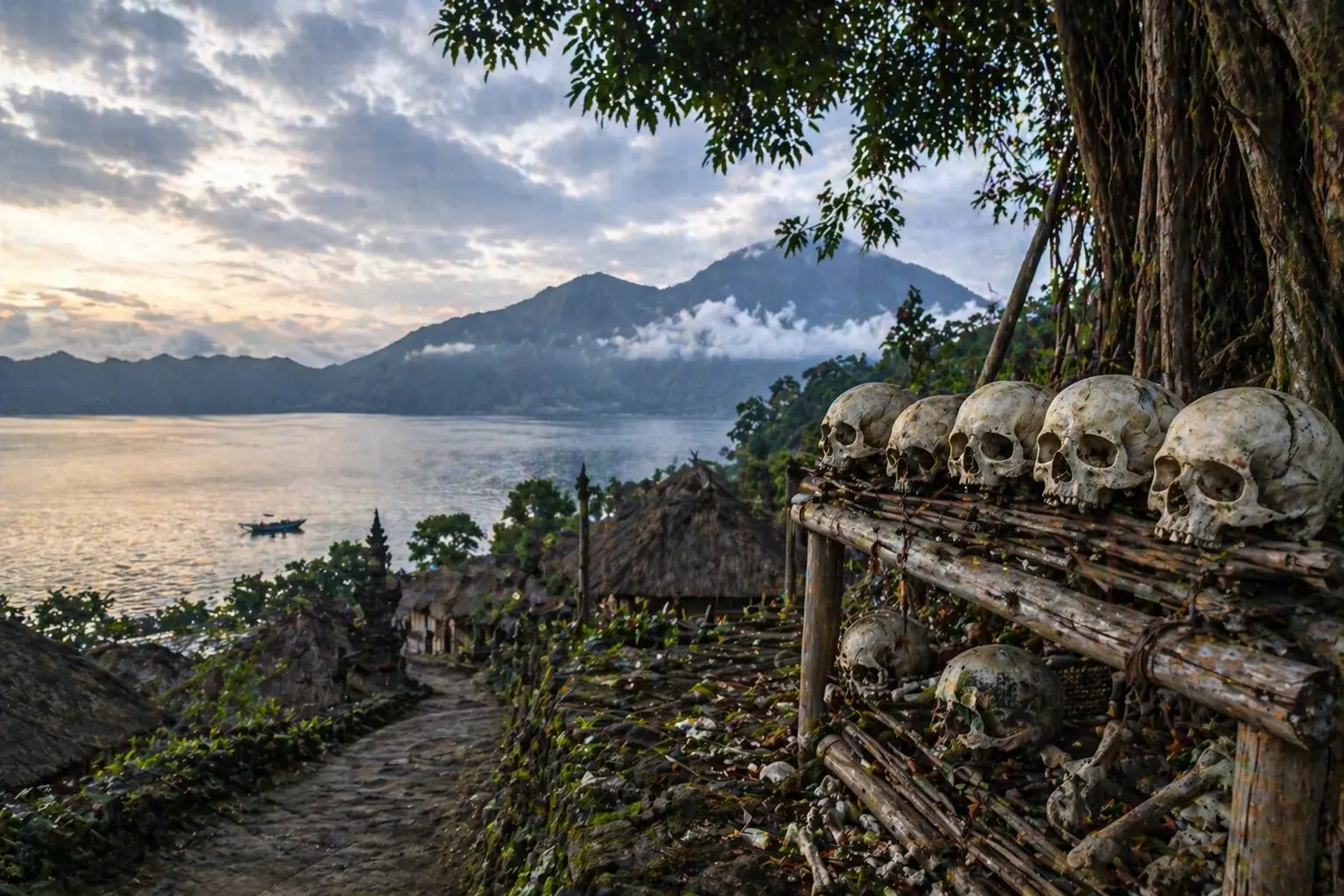
When travelers talk about Bali’s hidden spiritual gems, Nusa Penida Temple experiences often come up as something truly unforgettable. While most tourists visit Nusa Penida for dramatic cliffs and turquoise beaches, the island also holds some of Bali’s most powerful and sacred temples. These temples are not just photo spots they are living spiritual centers deeply rooted in Balinese Hindu belief, mythology, and ritual tradition.
Unlike mainland Bali, Nusa Penida carries a slightly mystical reputation among locals. Historically, the island was seen as spiritually intense, even feared in ancient times. Today, however, it is known for its strong purification rituals, sacred caves, cliffside shrines, and temples believed to hold powerful spiritual energy. Exploring a Nusa Penida Temple is not only about architecture it’s about understanding the island’s soul.
In this guide, we’ll explore five of the best temples in Nusa Penida, combining history, legend, and practical travel insights for international visitors.
Why Nusa Penida Temple Visits Feel Different from Mainland Bali
Before diving into specific temples, it’s important to understand what makes a Nusa Penida Temple experience unique.
Nusa Penida has long been associated with powerful spiritual forces in Balinese Hindu cosmology. Historically, the island was linked to purification rituals and spiritual cleansing. Even today, many Balinese Hindus travel here specifically to pray and perform ceremonies believed to remove negative energy.
Another key difference is geography. Many temples here are built inside caves or on dramatic ocean cliffs. This combination of raw natural landscape and sacred architecture creates an atmosphere that feels more intense and mystical compared to the more decorative temples in Ubud or Seminyak.

Pura Goa Giri Putri: The Cave Temple of Spiritual Cleansing
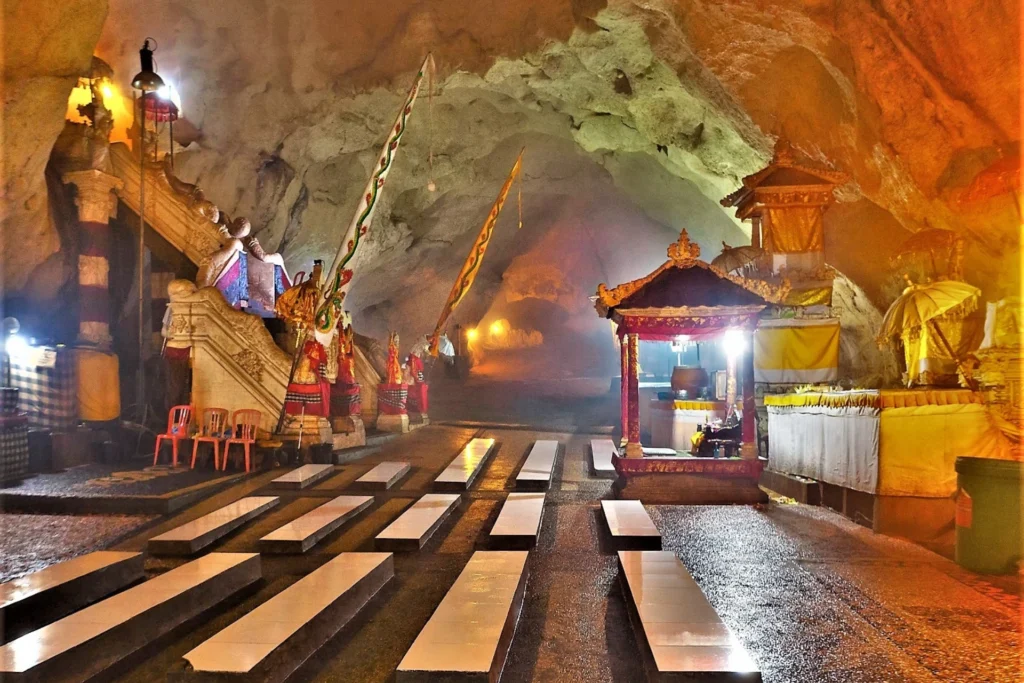
Pura Goa Giri Putri is arguably the most famous Nusa Penida Temple among spiritual travelers.
Located inside a massive limestone cave, the entrance looks surprisingly small visitors must bend down to enter. But once inside, the cave opens into a vast sacred chamber filled with shrines, incense smoke, and the sound of prayers echoing against stone walls.
What Makes It Special?
- It is one of Bali’s most important purification temples.
- Balinese Hindus visit to perform melukat (spiritual cleansing rituals).
- The cave setting creates a powerful, almost otherworldly atmosphere.
For international tourists, modest dress is required, and sarongs are mandatory (usually available at the entrance). Visiting during prayer time offers a deeper cultural experience, but even outside ceremony hours, the cave’s spiritual energy is undeniable.
Pura Dalem Ped: The Spiritual Heart of Nusa Penida
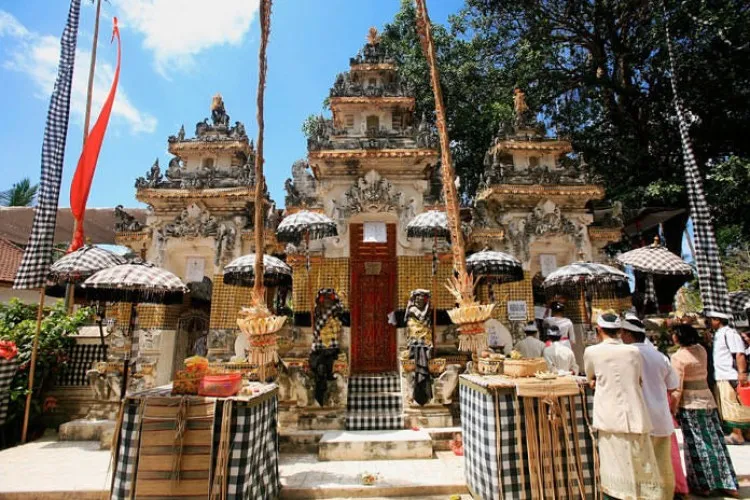
Pura Dalem Ped is considered one of the most important temples on the island and holds strong historical significance.
This Nusa Penida Temple is associated with the powerful spiritual figure Ratu Gede Mecaling, a deity linked to protection and purification in Balinese belief. In ancient times, the island was believed to house powerful spirits, and this temple became a center for balancing spiritual forces.
Why It’s Important
- One of the largest temple complexes in Nusa Penida
- Major pilgrimage site for Balinese Hindus
- Deeply connected to island mythology
Architecturally, it features traditional Balinese gates, layered shrines, and detailed carvings. The temple feels less dramatic geographically compared to cliffside temples but carries immense cultural weight.
Pura Paluang: The Unique “Car Temple” Near Kelingking
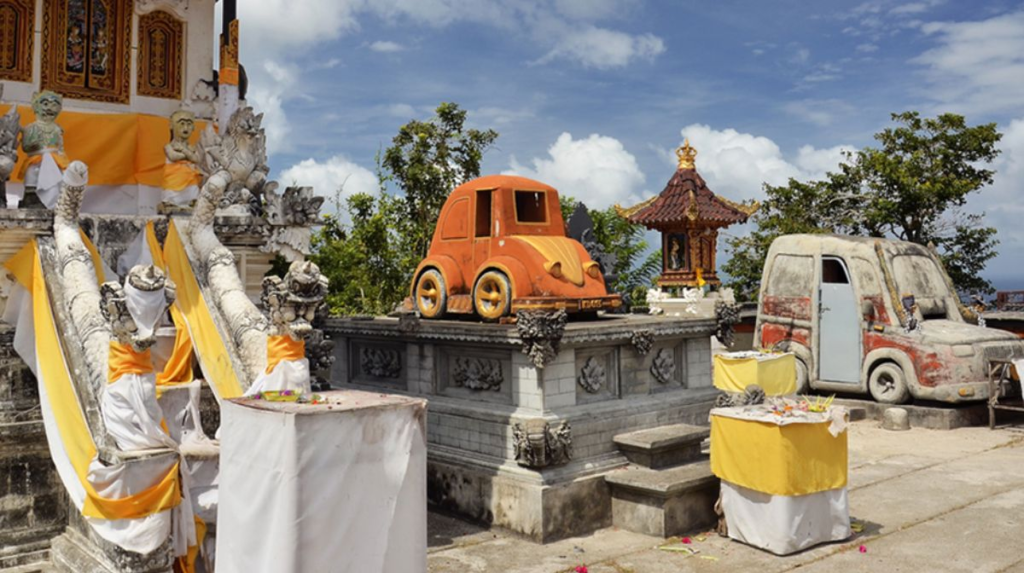
Pura Paluang might be the most visually unique Nusa Penida Temple.
Located near the famous Kelingking Beach viewpoint, this small temple is known for its unusual shrine structures shaped like cars. These symbolic carvings represent modern transportation offerings, reflecting how Balinese Hinduism adapts while maintaining tradition.
What Makes It Interesting?
- Rare car-shaped shrines
- Spectacular cliffside ocean views
- Blend of sacred space and dramatic landscape
Many visitors come for the viewpoint but miss the spiritual meaning of the temple. Despite its small size, it remains an active place of worship.
Pura Penataran Ped: A Temple of Protection
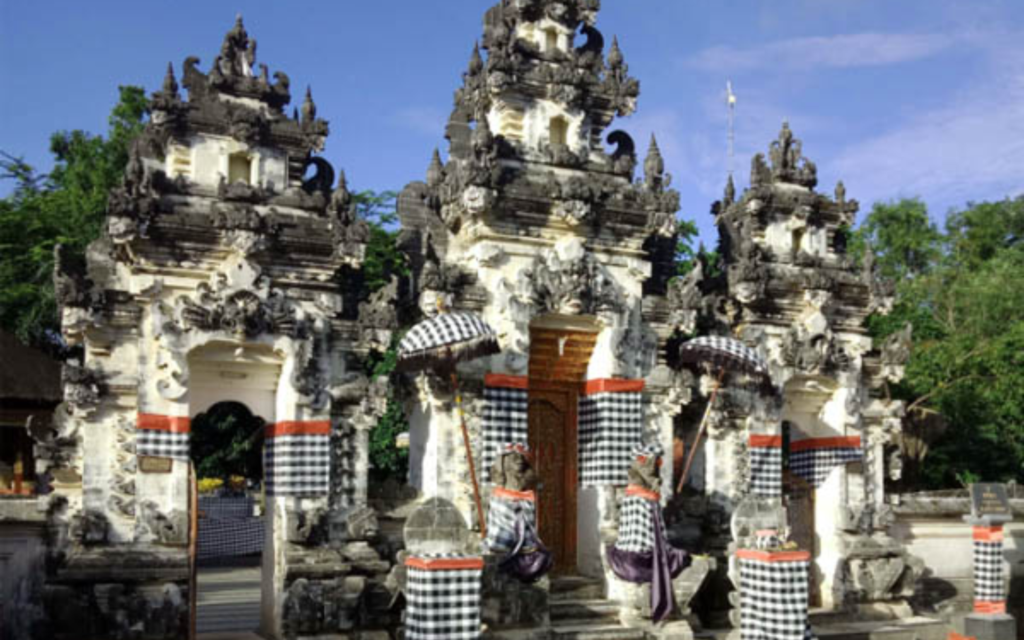
Often confused with Pura Dalem Ped, Pura Penataran Ped is another important spiritual center on the island.
This Nusa Penida Temple is dedicated to protection and balance. Many locals believe prayers here help neutralize negative influences. The temple complex is spacious, featuring traditional Balinese split gates (candi bentar) and multi-tiered shrines (meru towers).
For international tourists, this temple offers a quieter atmosphere compared to Goa Giri Putri, making it ideal for visitors who want a peaceful experience without large crowds.
Pura Segara Kidul: Oceanfront Sacred Energy
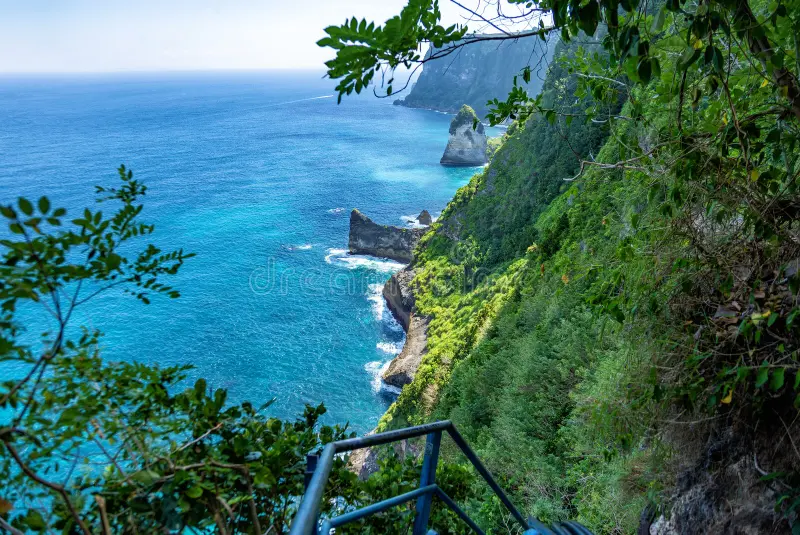
Pura Segara Kidul sits dramatically by the sea, embodying the strong connection between Balinese spirituality and the ocean.
In Balinese Hindu belief, the sea represents purification and powerful natural forces. This Nusa Penida Temple reflects that philosophy, with waves crashing nearby during high tide.
Why Visit?
- Stunning coastal setting
- Less crowded than major temples
- Strong symbolic connection to nature
The raw beauty surrounding this temple creates a powerful contrast between serenity and natural intensity.
The Cultural Etiquette Every Visitor Should Know
Visiting any Nusa Penida Temple requires respect. Even if you’re not Hindu, you are entering an active place of worship.
Key guidelines include:
- Wear a sarong and sash
- Avoid visiting during menstruation (according to local belief)
- Do not climb temple structures
- Remain quiet during ceremonies
Understanding these customs not only shows respect but enhances your overall experience.
When Is the Best Time to Visit a Nusa Penida Temple?
The dry season (April–October) offers the best weather for exploring temples comfortably. Morning visits are ideal to avoid heat and tour groups.
If you’re interested in cultural immersion, visiting during temple festivals (odalan) provides deeper insight into Balinese rituals but expect larger crowds and a more ceremonial atmosphere.
More Than Just a Photo Stop
What makes exploring a Nusa Penida Temple so magical is the combination of raw nature, mythology, and active spirituality. These are not abandoned historical ruins. They are living temples, deeply integrated into daily Balinese life.
For international travelers, visiting these temples offers something beyond sightseeing it provides cultural perspective and a deeper understanding of Bali’s spiritual identity.
A Perfect Day Trip from Bali
Many visitors combine temple exploration with famous viewpoints like Kelingking Beach, Broken Beach, and Angel’s Billabong. However, slowing down to truly appreciate each Nusa Penida Temple transforms the island from a photo destination into a cultural journey.
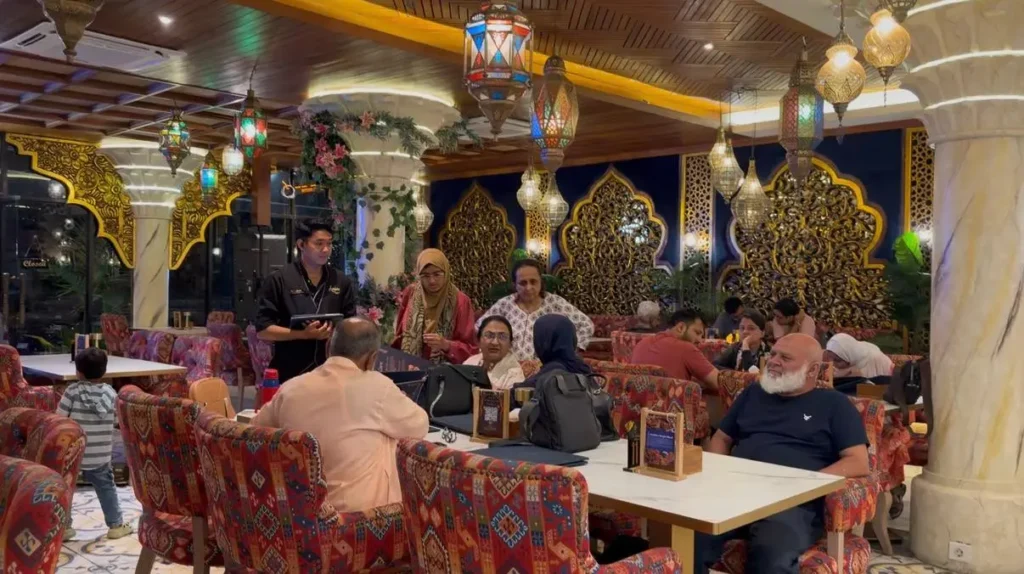
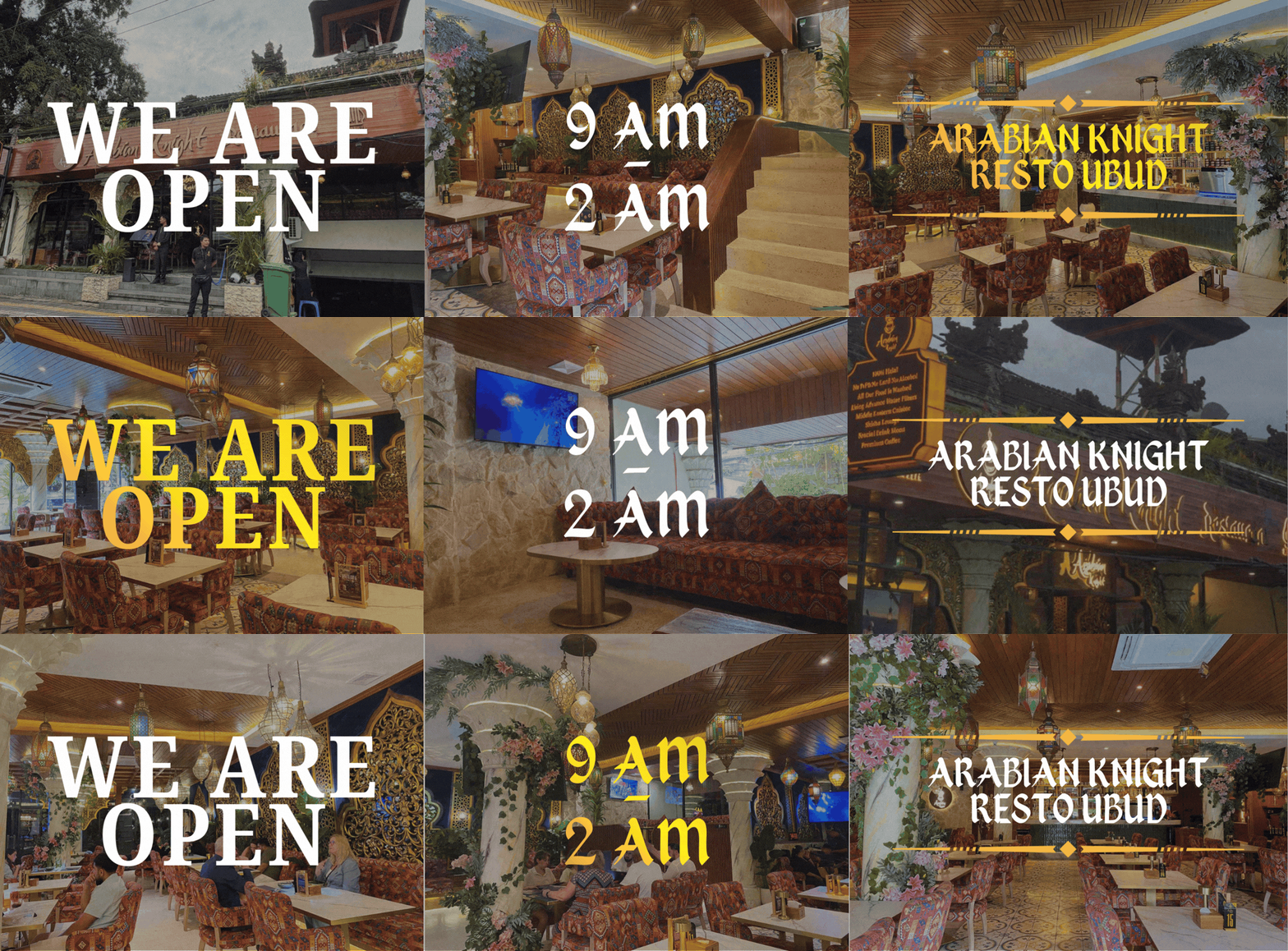
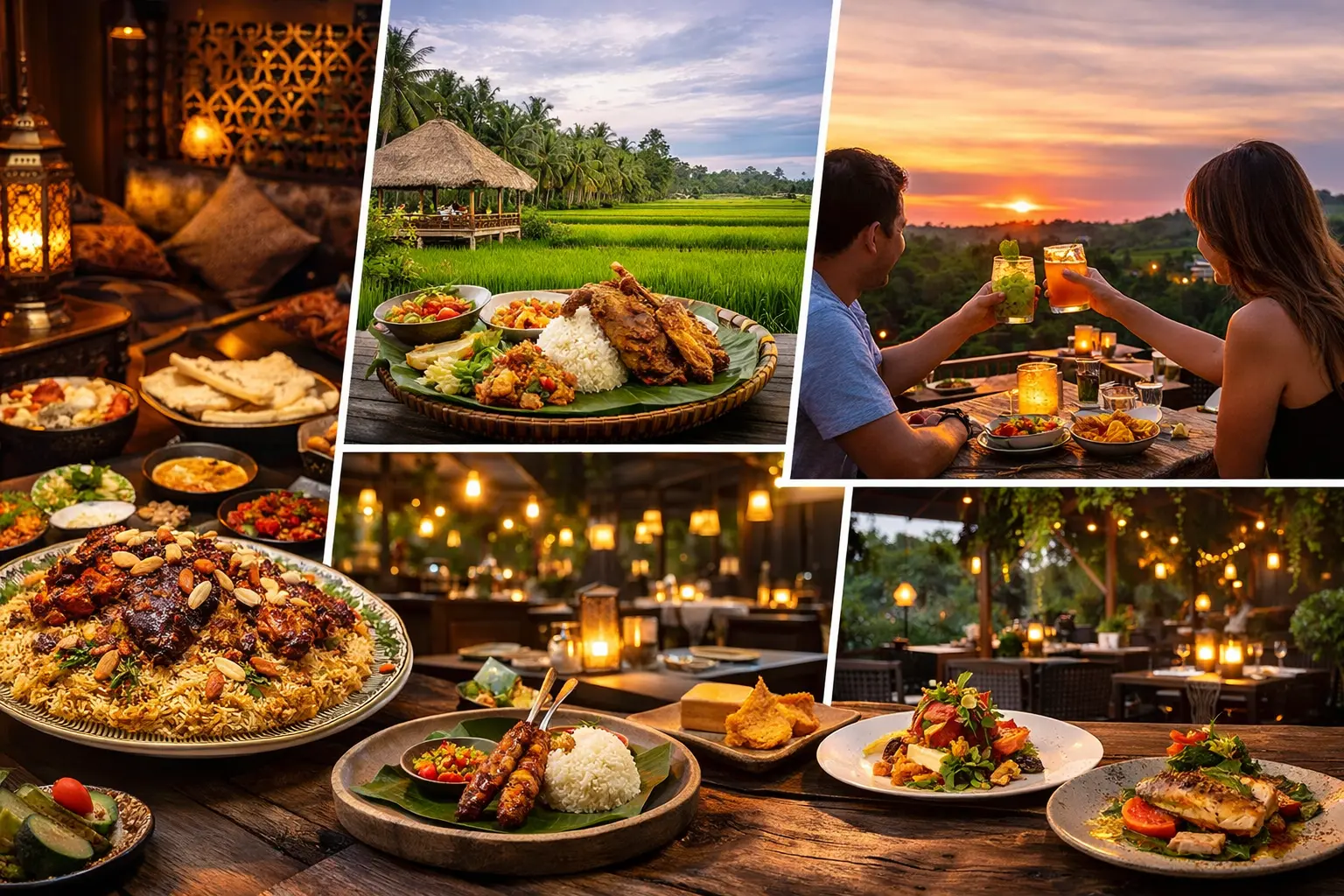
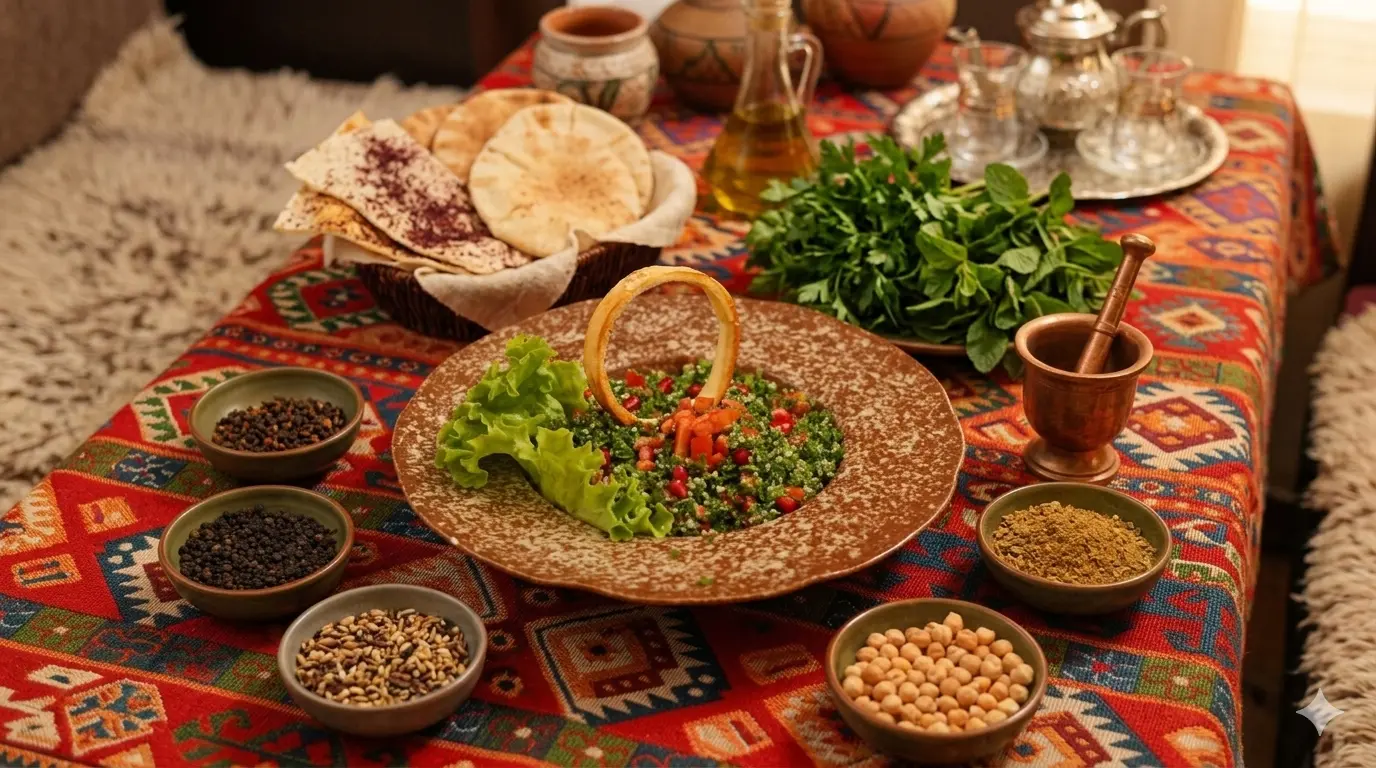
After returning to mainland Bali, many travelers look for a comfortable, halal dining option to unwind after a long island adventure. For those seeking 100% halal cuisine with no alcohol, no pork, and no lard, Arabian Knight Restaurant Ubud offers a refined Middle Eastern dining experience in Ubud perfect for relaxing after a spiritual day trip.
Final Thoughts: The True Magic of Nusa Penida Temple
The magic of Nusa Penida Temple exploration lies in contrast sacred caves hidden in limestone cliffs, shrines overlooking wild ocean waves, and ancient mythology living side by side with modern tourism.
While the island is famous for its dramatic landscapes, its temples tell the deeper story. They reveal an island shaped not only by nature, but by belief, ritual, and centuries of spiritual tradition.
For travelers willing to look beyond the Instagram spots, Nusa Penida offers something rare: a journey into the spiritual heart of Bali. Also read our article about Top Halal Lunch Places Perfect for Families, Couples, and Solo Diners
FAQ Nusa Penida Temple
One of the most famous temples is Pura Goa Giri Putri. This temple is located inside a massive limestone cave and is known for spiritual cleansing rituals (melukat). Visitors enter through a small cave opening that leads into a large sacred chamber filled with shrines, incense, and prayer areas. It’s one of the most unique temple experiences in Bali.
Visitors must wear a sarong and sash when entering any Nusa Penida Temple. Modest clothing that covers shoulders and knees is required. Sarongs are often available for rent at temple entrances. It’s also important to behave respectfully, avoid loud conversations, and never climb on temple structures.
Yes, non-Hindus are welcome to visit any Nusa Penida Temple as long as they follow local customs and dress codes. These temples are active places of worship, so showing respect for ceremonies and religious practices is essential. Visiting offers international travelers a deeper understanding of Balinese Hindu culture and spiritual traditions.




One Response