The Bajra Sandhi Monument stands as one of Bali’s most important historical landmarks. Located in the heart of Denpasar, this monument is more than an architectural icon it is a powerful symbol of the island’s long journey through struggle, resilience, and cultural identity. For travelers, history enthusiasts, and anyone curious about Bali beyond beaches, the Bajra Sandhi Monument offers a deep and meaningful perspective on Balinese history.
Unlike temples or royal palaces, the Bajra Sandhi Monument was built specifically to commemorate the enduring spirit of the Balinese people. Through its architecture, museum exhibits, and symbolic design, it tells a story that spans centuries from ancient kingdoms to colonial resistance and modern Indonesia.
What Is the Bajra Sandhi Monument?
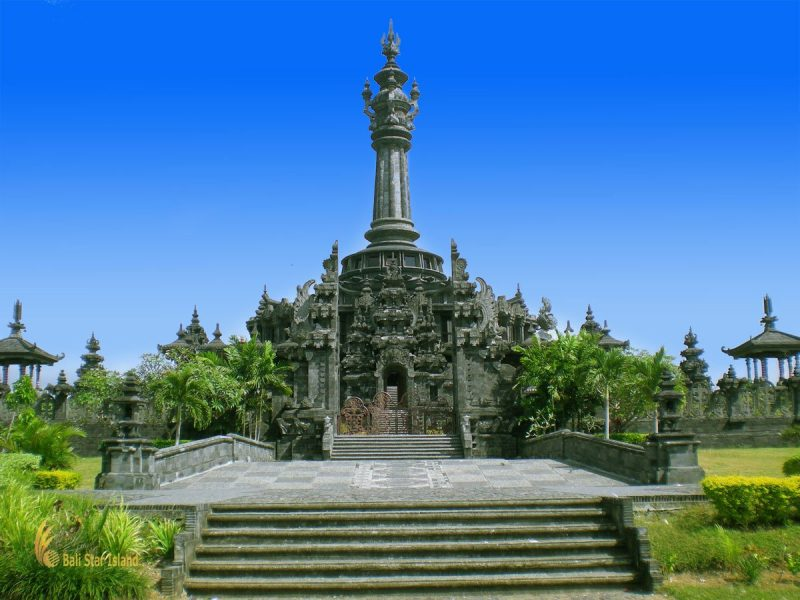
The Bajra Sandhi Monument is a monumental structure dedicated to the history and struggles of the Balinese people. It honors generations who defended their land, culture, and dignity throughout different historical periods, particularly during times of foreign domination.
The name “Bajra Sandhi” itself carries deep meaning. Bajra refers to a sacred bell used by Hindu priests in rituals, while Sandhi means struggle or resistance. Together, the term represents a spiritual and historical struggle one that blends faith, culture, and perseverance.

The Historical Background of the Bajra Sandhi Monument
Bali Before Colonial Rule
Before foreign powers arrived, Bali was home to powerful Hindu kingdoms with rich traditions, advanced irrigation systems, and strong cultural identity. Society was deeply connected to religion, art, and community structures that remain influential today.
This early era laid the foundation for Bali’s resistance mindset. Cultural preservation was not just a tradition it was a way of life.
Colonial Era and Resistance
One of the most important themes highlighted by the Bajra Sandhi Monument is Bali’s resistance during the Dutch colonial period. Unlike many regions, Balinese resistance was often expressed through puputan a collective, ritualistic fight to the death rather than surrender.
These events were not acts of desperation but demonstrations of honor, unity, and spiritual belief. The monument commemorates these moments as symbols of unwavering courage.
The Road to Independence
The story does not end with colonial conflict. The Bajra Sandhi Monument also documents Bali’s role in Indonesia’s struggle for independence and the transition into the modern republic. This period reflects adaptation how Bali preserved its traditions while becoming part of a new nation.
Architecture and Symbolism of the Bajra Sandhi Monument
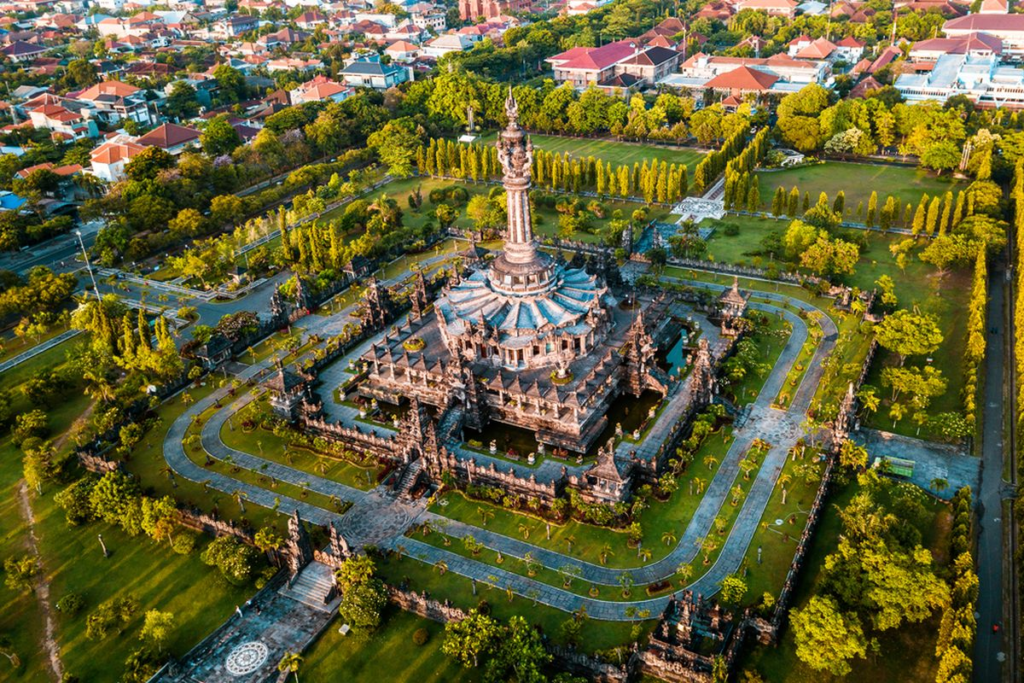
The architecture of the Bajra Sandhi Monument is rich with symbolism and rooted in Balinese Hindu philosophy.
Inspired by the Bajra Bell
The monument’s shape resembles a bajra bell, an object used by Hindu priests during ceremonies. This design reinforces the idea that Bali’s history is inseparable from spirituality.
Three Symbolic Levels
The structure consists of three main levels, representing the Balinese Hindu concept of the universe:
- Nista Mandala (Lower Level): Symbolizes the earthly realm
- Madya Mandala (Middle Level): Represents human life and struggle
- Utama Mandala (Upper Level): Reflects the divine realm
This vertical symbolism shows that Balinese history is seen as a journey connecting humans, nature, and the divine.
Inside the Bajra Sandhi Monument: What You’ll Find
Dioramas and Historical Exhibits
Inside the Bajra Sandhi Monument, visitors can explore a museum filled with detailed dioramas. These visual displays narrate Balinese history chronologically from prehistoric times to modern Indonesia.
The dioramas make complex history accessible, even for visitors without a background in Indonesian or Balinese history.
Cultural and Social Life Displays
Beyond wars and politics, the museum also highlights daily life: agriculture, religious ceremonies, arts, and social systems. This reinforces the idea that Balinese culture survived not only through resistance, but through everyday traditions passed down across generations.
Central Viewing Tower
At the top of the monument is a viewing platform offering panoramic views of Denpasar. From here, visitors can reflect on the contrast between Bali’s historical past and its modern urban present.
The Meaning of Bajra Sandhi Monument for Modern Bali
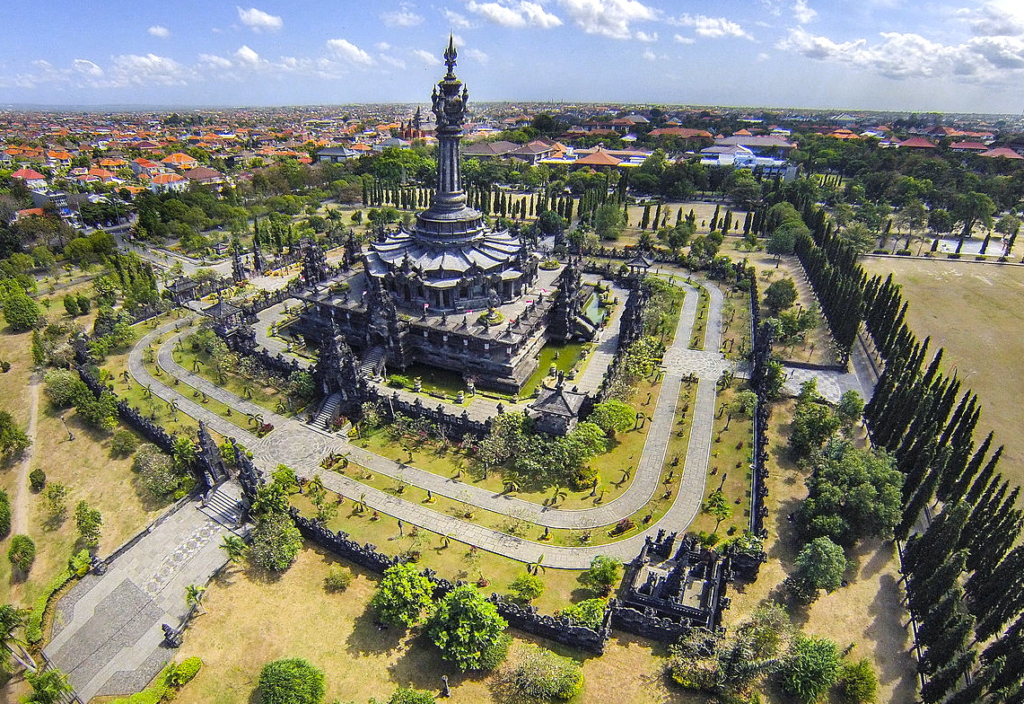
Today, the Bajra Sandhi Monument serves several roles at once:
- A historical archive
- A cultural education center
- A symbol of Balinese identity
- A reminder of sacrifice and unity
For locals, it reinforces cultural pride. For visitors, it offers context helping them understand why Balinese people value tradition, ceremony, and community so deeply.
Visiting Bajra Sandhi Monument: Practical Information
Location
The Bajra Sandhi Monument is located in Renon, Denpasar, within a large public park area that is popular for walking, exercise, and community events. Location Google Maps
Opening Hours
- Daily: Approximately 08:00 AM – 05:00 PM
- Last entry is usually before closing time to allow visitors enough time inside.
Entrance Fee
- Local visitors: Lower admission fee
- International visitors: Generally around IDR 100,000 (subject to change)
Ticket prices are affordable and help support monument maintenance and cultural preservation.
Best Time to Visit Bajra Sandhi Monument
Morning visits are recommended for a quieter experience and cooler temperatures. Late afternoon can also be pleasant, especially for photography, but may be busier due to local visitors using the surrounding park.
Visiting on weekdays is ideal if you prefer a calmer atmosphere inside the monument.
Why Bajra Sandhi Monument Matters for Cultural Travelers
Unlike many attractions, the Bajra Sandhi Monument does not focus on entertainment—it focuses on understanding. It gives context to Bali’s ceremonies, temples, and social customs that travelers encounter elsewhere on the island.
For cultural travelers, this monument helps answer deeper questions:
- Why is spirituality so central in Bali?
- Why do traditions remain strong despite modernization?
- Why is history remembered through ritual and symbolism?

Final Reflection
The Bajra Sandhi Monument is not just a place to visit it is a place to reflect. Through architecture, symbolism, and historical storytelling, it presents Bali’s past as a living narrative rather than a distant memory.
For anyone seeking a deeper understanding of Bali, the Bajra Sandhi Monument offers insight into the values that continue to shape the island today: resilience, spirituality, and cultural pride. Also read our article about Best Hair Salons Ubud Top Places for Haircuts, Coloring & Styling