
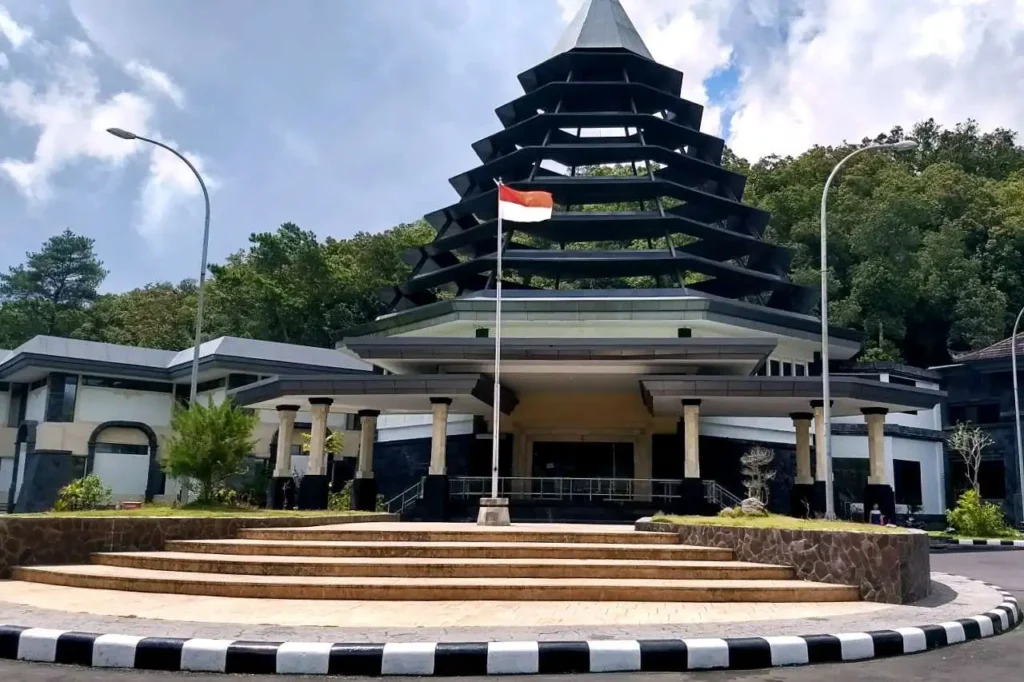
Bali is famous for its beaches, temples, and lush rice terraces, but there’s another side of the island that many travelers overlook its fascinating volcanic history. If you’re curious about how Bali was shaped by powerful natural forces, visiting the Batur Geopark Museum is one of the most interesting things you can do during your trip.
Located in the highlands of Kintamani, the Batur Geopark Museum offers visitors a deep look into the geological story of Bali, especially the dramatic history of Mount Batur. This modern and educational museum sits within the protected Batur UNESCO Global Geopark, an area recognized by UNESCO for its unique volcanic landscape and cultural significance.
Whether you’re a curious traveler, nature lover, or adventure seeker planning to hike Mount Batur, this Batur Geopark Museum guide will help you understand why the museum is worth adding to your Bali itinerary.
What Is Batur Geopark Museum?
The Batur Geopark Museum is an educational museum dedicated to explaining the volcanic origins of Bali and the geological processes that shaped the island. It serves as an information center for the Batur UNESCO Global Geopark, which includes volcanic mountains, lava fields, and the beautiful Lake Batur.
Inside the Batur Geopark Museum, visitors can explore interactive displays, geological exhibits, and multimedia presentations that explain how volcanoes form, erupt, and transform the surrounding environment. The museum was designed not only for scientists and researchers but also for general tourists who want to learn something new while traveling.
One of the most interesting parts of the Batur Geopark Museum is how it connects science with Balinese culture. Local communities have lived around Mount Batur for centuries, adapting their traditions, agriculture, and spiritual practices to the volcanic environment.
Because of this unique combination of geology, culture, and nature, the museum plays an important role in helping visitors understand the deeper story behind Bali’s landscapes.
The Story of Mount Batur’s Powerful Volcano
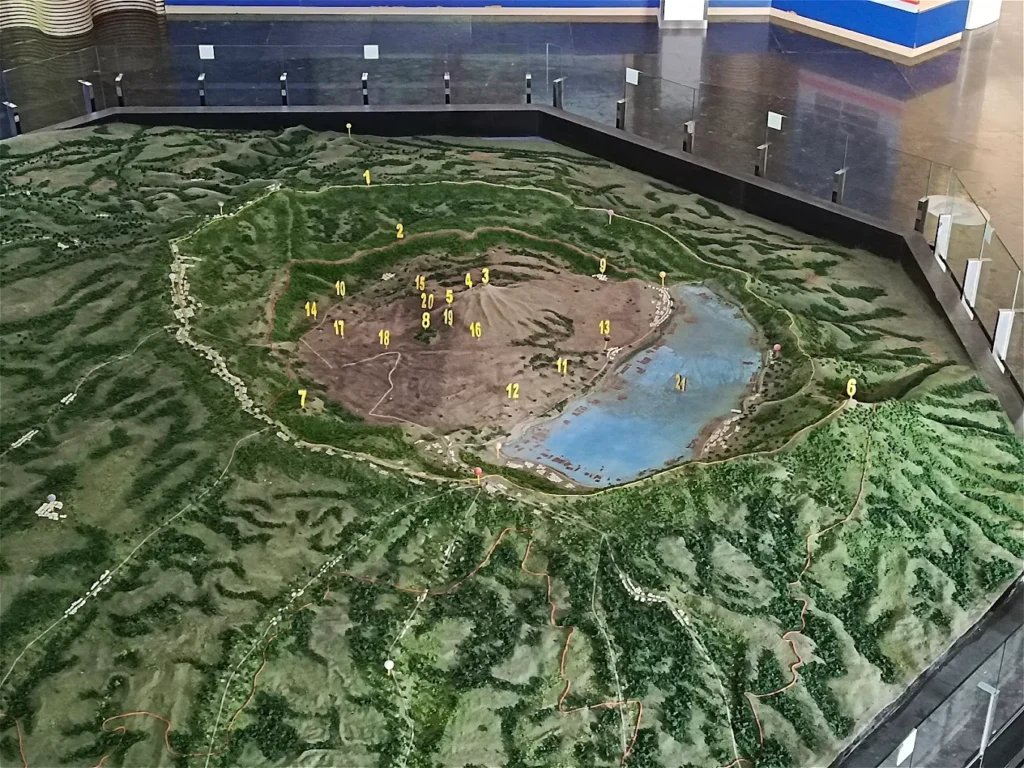
To truly appreciate the Batur Geopark Museum, you need to understand the history of Mount Batur itself. This active volcano has shaped the entire Kintamani region through a series of dramatic eruptions over thousands of years.
Mount Batur sits inside a massive volcanic caldera created by two enormous eruptions that occurred thousands of years ago. These eruptions formed the giant crater landscape visible today around Lake Batur and the surrounding mountains.
The volcano is still active, with its most significant eruptions happening in the early 20th century. The eruptions of 1917 and 1926 dramatically affected nearby villages, destroying homes and temples. However, Balinese communities rebuilt their lives and relocated important temples such as Pura Ulun Danu Batur, which remains one of the most sacred temples in Bali.
At the Batur Geopark Museum, visitors can see volcanic rocks, lava samples, and detailed explanations about these eruptions. The exhibits help travelers visualize how powerful volcanic forces shaped the stunning scenery that people admire today.

What You Can See Inside Batur Geopark Museum
The Batur Geopark Museum is designed with multiple floors, each offering a different perspective on Bali’s geological and cultural history. Exploring the museum usually takes around one to two hours, depending on how deeply you want to explore the exhibits.
Geological Exhibits and Volcanic Rocks
One of the highlights of the Batur Geopark Museum is its impressive collection of volcanic rocks and minerals. Visitors can see real lava stones formed during past eruptions, along with explanations about how these rocks were created.
Interactive panels explain topics such as tectonic plates, magma formation, and volcanic eruptions in a way that’s easy for visitors to understand even if you don’t have a science background.
Multimedia Displays and Educational Installations
Another fascinating part of the Batur Geopark Museum is the multimedia displays that show how Mount Batur erupted in the past. Through videos, diagrams, and animations, visitors can see how lava flows traveled across the landscape and formed the terrain seen today.
These educational installations make the Batur Geopark Museum especially engaging for families and travelers who enjoy learning while exploring new places.
Cultural Connection to the Volcano
The museum also highlights how Balinese culture is deeply connected to the volcano. Local farmers rely on the fertile volcanic soil to grow crops such as vegetables, coffee, and fruits.
In addition, the spiritual relationship between the Balinese people and Mount Batur is explored through stories, traditional practices, and temple history. This cultural perspective makes the Batur Geopark Museum more than just a science museum it’s also a window into local life.
Why Batur Geopark Museum Is Worth Visiting
Many travelers visit Kintamani only for the view of Mount Batur or the sunrise trekking experience. However, adding the Batur Geopark Museum to your itinerary can make your trip much more meaningful.
First, the museum helps visitors understand the incredible geological story behind the landscapes they see. Instead of just taking photos of Mount Batur, you’ll learn how the volcano formed, erupted, and shaped the region.
Second, the Batur Geopark Museum provides context for the surrounding attractions, including lava fields, hot springs, and Lake Batur. After visiting the museum, these natural sites become even more fascinating because you understand the science behind them.
Finally, the museum is a great stop for travelers who enjoy educational experiences, photography, and cultural insights all in one place.
Tips Before Visiting Batur Geopark Museum
If you’re planning to visit the Batur Geopark Museum, here are a few helpful tips to make the most of your experience.
Visit in the Morning
Morning visits are usually quieter, allowing you to explore the museum comfortably. The cooler Kintamani weather also makes the experience more enjoyable.
Combine It With Other Attractions
Most visitors combine the Batur Geopark Museum with other nearby attractions such as Mount Batur sunrise trekking, Lake Batur viewpoints, or natural hot springs.
This makes the museum a great educational stop before or after exploring the volcano.

Bring a Camera
The museum area also offers beautiful viewpoints of Mount Batur and the surrounding caldera. It’s a great place to capture scenic photos of Bali’s volcanic landscape.
Visitor Information: Ticket Price, Opening Hours, and Location
Before planning your trip to the Batur Geopark Museum, it’s helpful to know a few practical details such as ticket prices, opening hours, and the exact location. These details will make it easier to organize your visit while exploring the beautiful Kintamani area.
Ticket Price
The entrance fee to the Batur Geopark Museum is relatively affordable, making it a great educational stop for travelers, families, and students interested in geology and volcanoes.
- International visitors: around IDR 50,000 per person
- Domestic visitors: around IDR 20,000 per person
- Children: around IDR 15,000 per person
Some sources mention slightly different prices depending on visitor categories, but overall the museum remains a budget-friendly attraction in Bali.
Visitors usually receive a simple wristband or ticket upon entry. Parking fees may apply separately for motorbikes or cars.
Opening Hours
The Batur Geopark Museum operates on a slightly different schedule depending on the day.
- Monday – Thursday: 08:00 AM – 04:00 PM
- Saturday – Sunday: 08:00 AM – 02:00 PM
- Friday & National Holidays: Closed
The best time to visit is usually in the morning, when the air in Kintamani is still cool and the surrounding mountain views are clearer before the fog rolls in.
Location
The museum is located in the highland area of Kintamani, Bangli Regency, which is famous for its volcanic landscapes and views of Mount Batur and Lake Batur.
📍 Address:
Jl. Raya Penelokan, Batur Selatan, Kintamani, Bangli Regency, Bali, Indonesia.
The location sits along the main road in Kintamani, making it easy to access during a trip to Mount Batur or Lake Batur. Travel time from major areas in Bali:
- Ubud: about 1 hour 15 minutes
- Denpasar: about 1.5 hours
- Ngurah Rai International Airport: about 2 hours
Because of its strategic location, many travelers combine a visit to the museum with other attractions such as Mount Batur sunrise trekking, Lake Batur, or nearby villages in Kintamani.
Discover Bali’s Volcanic Story
Bali is more than just tropical beaches and luxury resorts it’s an island shaped by powerful natural forces and rich cultural traditions. Visiting the Batur Geopark Museum allows travelers to discover the incredible story behind one of Bali’s most iconic landscapes.
From volcanic eruptions to cultural traditions, the Batur Geopark Museum offers a deeper understanding of how nature and human life have evolved together in the Kintamani region.
If you’re exploring Mount Batur or traveling through Kintamani, make sure the Batur Geopark Museum is part of your journey. It’s an experience that adds knowledge, perspective, and appreciation to your Bali adventure. Also read our article about Experience Authentic Arabian Flavors at a Middle Eastern Restaurant






One Response